


The Great Scraper Guide: Mastering Efficient Cleaning in 2026
Tired of spending hours scrubbing stubborn grime off your grill or surfaces? You are not alone. Many people dread cleaning because outdated scraper tools just do not get the job done.
Imagine a world where cleaning is quick, safe, and even satisfying. With the great scraper, this dream is now a reality. New techniques and innovative tools for 2026 make spotless results possible with minimal effort.
In this guide, you will discover expert tips, the best scraper types, and step-by-step methods to master efficient cleaning. Get ready to explore the evolution of scrapers, learn how to choose the right tool, embrace eco-friendly solutions, and pick up maintenance tips from the pros. Cleaning just got easier.
The Evolution of Scraper Tools: From Metal to Modern Materials
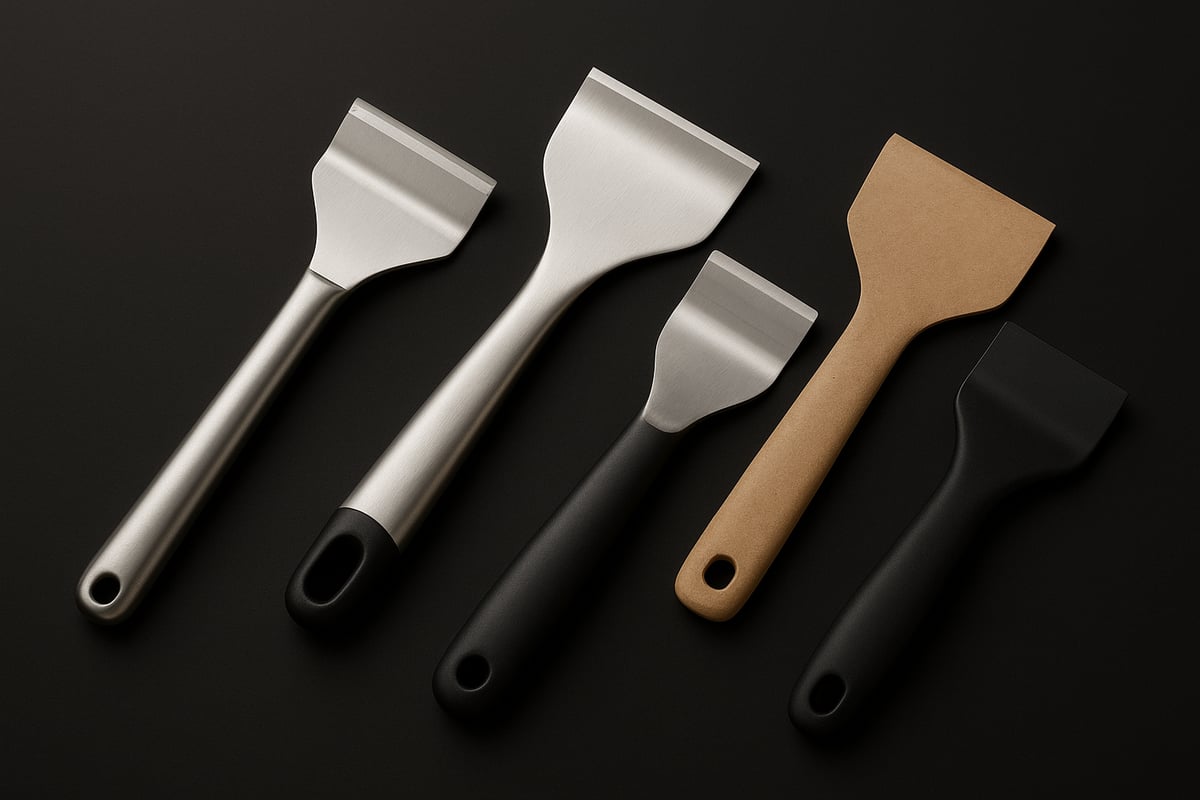
Imagine the great scraper of the past, a simple metal blade in the hands of every grill master. In the early days, these basic tools did the job, but often at the cost of scratched surfaces and tired hands. Over time, the great scraper evolved, shaped by the need for better results and safer experiences.
Today’s innovations have transformed cleaning. Ergonomic handles reduce fatigue, while multi-surface compatibility means one tool can tackle everything from flat griddles to round grill grates. Most importantly, the industry has shifted away from dangerous wire brushes after stories of metal bristles ending up in food and causing injuries. This concern led to a wave of new designs like bristle-free scrapers and compostable options.
Materials have changed too. Stainless steel offers durability, composite blends provide flexibility, and recycled eco-materials answer the call for sustainability. Consumers now seek out safer and more hygienic tools, driving up sales of eco-friendly and bristle-free scrapers.
These changes have made cleaning faster and safer for everyone. To see how modern safety features are changing the game, check out Safe and Bristle-Free Grill Cleaning. The evolution of the great scraper is proof that a simple tool can become a star player in efficient, worry-free cleaning.
Choosing the Right Scraper for Every Cleaning Task
Choosing the right tool can make all the difference between a quick clean and a frustrating chore. With so many options, how do you know which scraper will help you master the great scraper challenge for spotless surfaces? Let's break down the types and key factors so you can clean smarter, not harder.
Types of Scrapers and Their Best Uses
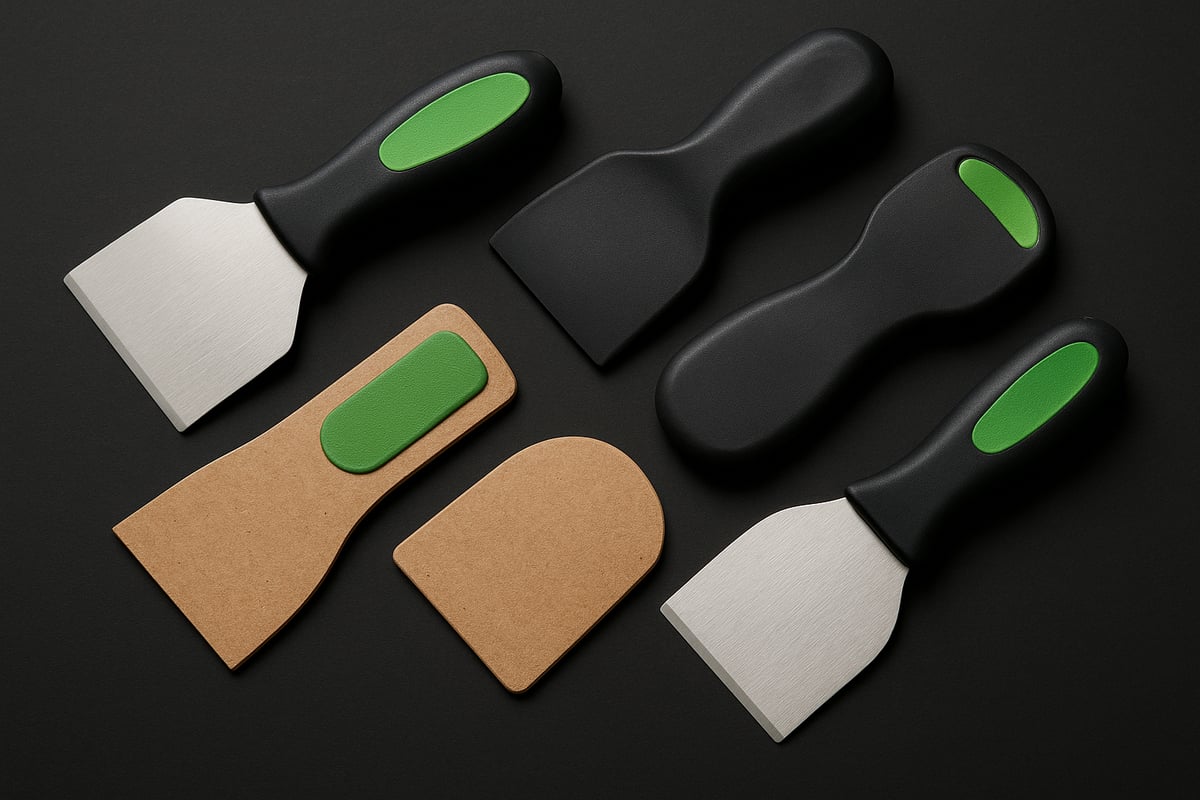
Every cleaning task calls for a different hero. Flat-edge scrapers shine on griddles and flat surfaces, slicing through grease with precision. When tackling grill grates or awkward nooks, notched and contoured scrapers are your best friend, fitting snugly into hard-to-reach spots.
Multi-purpose scrapers adapt well to both indoor kitchens and outdoor BBQs, making them a staple for anyone who loves versatility. Material matters, too. Stainless steel scrapers are tough and long-lasting, while composite options offer flexibility for delicate surfaces. For those seeking convenient, eco-conscious cleaning, compostable cardboard scrapers are gaining popularity.
Curious about the right technique? Check out How to Scrape Your Grill for a step-by-step approach to using the great scraper effectively, regardless of the tool you choose.
Factors to Consider When Selecting a Scraper
Not all surfaces are created equal, so matching your scraper to the job is key. For metal, ceramic, or non-stick, pick a scraper designed to protect and clean without scratching. Safety comes next: opt for bristle-free, non-toxic designs and ergonomic handles to ensure a secure grip.
Sustainability is also crucial in 2026. Decide between disposable, compostable, or reusable scrapers depending on your cleaning habits. Hygiene matters, too—single-use scrapers reduce bacteria buildup, while multi-use tools need regular cleaning. Finally, weigh cost and value: a durable, eco-friendly scraper may save you money and effort in the long run.
By considering these factors, you can confidently choose the great scraper that fits your cleaning needs and lifestyle.
Step-by-Step Guide: Mastering Efficient Cleaning with Scrapers
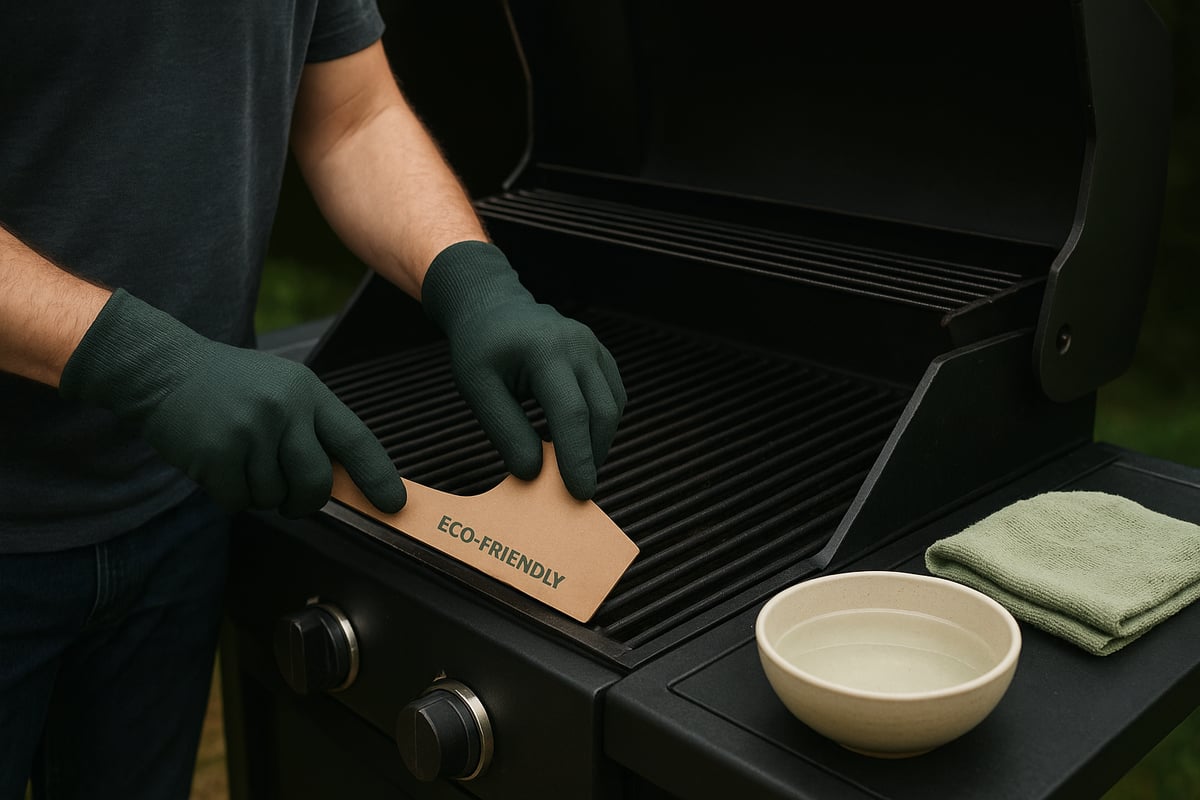
Getting flawless results with the great scraper starts before you even begin cleaning. Think of your grill or surface as a blank canvas. First, inspect for leftover food, grease, or thick residue. Choose the right tool for the job, whether it is a flat-edge or contoured scraper. For grills, preheat slightly to soften debris. Always wear gloves for safety and gather essentials like water and a clean cloth.
Scraping Techniques for Maximum Effectiveness
Now, let the great scraper do its magic. Hold it at the right angle and use steady pressure. Try back-and-forth or gentle circular motions for tough spots. Work in small sections to avoid missing areas. Be patient with stubborn grime, but never force it, as this can damage surfaces. Finish by rinsing or wiping down for a truly spotless finish.
Post-Cleaning Care and Maintenance
Caring for your scraper ensures it is always ready for action. Rinse and dry it after each use to prevent bacteria. Store it in a dry place within reach. Regularly check for wear or cracks, and replace disposable scrapers when needed. For more ways to extend your tool’s life and troubleshoot issues, explore these Pro Tips for Scraper Maintenance.
Eco-Friendly Innovations: The Rise of Sustainable Scrapers
Imagine the pile of broken plastic and rusty metal scrapers after a summer of backyard grilling. For years, these tools left an environmental mess behind, with old models ending up in landfills or even worse, contaminating soil and waterways. Now, a new chapter is unfolding in the story of the great scraper.
Driven by eco-conscious consumers, the market is quickly pivoting toward compostable and recyclable cleaning tools. Single-use, biodegradable scrapers are gaining traction, offering both hygiene and a dramatic reduction in waste. These innovations are not just about feeling good—they truly work, helping people master cleaning without harming the planet.
Traditional vs. Sustainable Scrapers
| Feature | Traditional Scraper | Sustainable Scraper |
|---|---|---|
| Material | Plastic, Metal | Cardboard, Recycled Materials |
| Reusability | Yes | Often Single-Use |
| End of Life | Landfill | Compostable or Recyclable |
| Hygiene | Can harbor bacteria | Reduced risk, single-use |
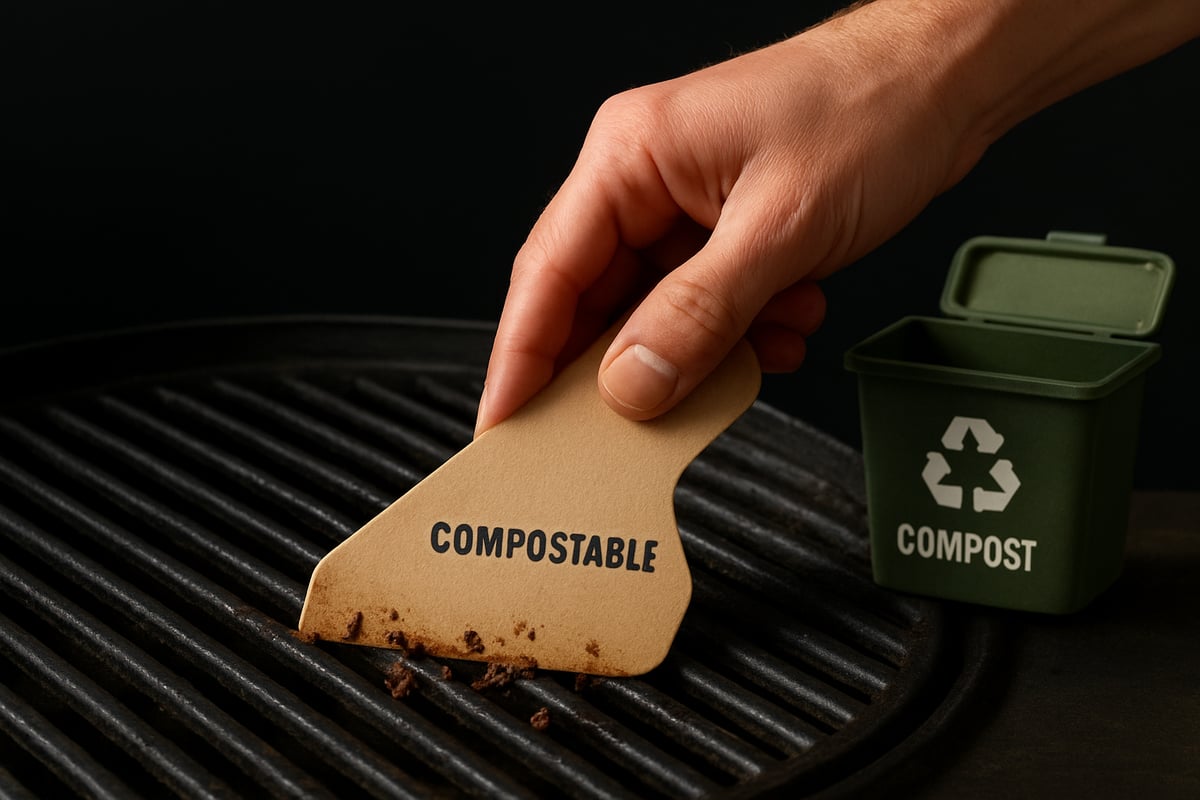
A standout example is the shift to cardboard-based scrapers. These simple tools are sturdy enough for tough grime, yet compost completely after use. According to recent data, sales of eco-friendly grill cleaning products have surged, reflecting a broader move toward zero-waste grilling habits.
Consumers are also seeking guidance on responsible disposal. After using a compostable scraper, simply toss it in your green bin or home compost pile. For more tips and creative solutions, check out Eco-Friendly Grill Cleaning Solutions. If you want to see a real innovation in action, discover Sustainable BBQ Scrapers and see how the great scraper is being reimagined for a greener future.
With every small change, from the materials we choose to the way we clean up, we edge closer to a world where spotless grills do not mean a dirty planet.
Expert Tips & Troubleshooting for Cleaner Results in 2026
Looking to take your cleaning routine with the great scraper to the next level? Even seasoned cleaners can slip up, but a few expert strategies make all the difference.
Common Mistakes to Avoid
- Using the wrong scraper type for the surface.
- Applying excessive force, risking scratches or injury.
- Neglecting safety by ignoring bristle-free or non-toxic options.
- Overlooking regular tool cleaning, which can lead to bacteria buildup.
Did you know that using traditional wire brushes can pose serious health risks? Tiny metal bristles can break off and end up in food. For more details, see the Dangers of Wire Grill Brushes.
Troubleshooting Tough Residue & Specialty Surfaces
Burnt-on residue can be stubborn, but pre-heating grills and using steam can loosen debris fast. Try a damp cloth and let steam do some of the heavy lifting before scraping.
For ceramic, cast iron, or non-stick surfaces, always use a compatible scraper to avoid scratches. A gentle, steady motion works better than brute force.
Maintenance & Replacement Guide
Keep your scraper sharp and clean after every use. Sanitizing before and after cleaning helps prevent germs. Check for signs of wear—if you notice dull edges or cracks, it is time to replace.
| Scraper Condition | Action to Take |
|---|---|
| Dull edge | Sharpen or replace |
| Cracked or broken | Replace immediately |
| Buildup or odor | Deep clean or discard |
Looking Ahead: Smart Cleaning
The future of the great scraper includes smart tech—think sensors that alert you when replacement is needed, or integrated steam for even easier cleaning. Stay curious and keep your cleaning game strong by choosing safer, smarter tools.
After years of wrestling with stubborn grill grime and worrying about hidden metal bristles, I finally found a smarter way to clean that feels good for my grill and the planet. If you’ve ever stood at the grill, wishing for an easier, safer, and more eco-friendly solution, you’re not alone. With simple, recycled cardboard scrapers—like the ones I discovered in this guide—we can all enjoy spotless results and a clean conscience. Ready to make your next BBQ cleanup a breeze and do your part for the environment? It’s time to Get Scrappy.