


Safer Scraper Guide: Safe Surface Cleaning Tips for 2026
The way we clean surfaces is changing fast. Are you sure your current tools are up to the task, or could they be putting your home and health at risk? Outdated scrapers often leave behind scratches, spread germs, and sometimes even cause lasting damage.
It's time to discover a safer scraper approach. This guide brings you the most up-to-date tips for 2026, helping you avoid hidden hazards and keep every surface spotless. Whether you worry about glass, ceramic, stainless steel, or coated finishes, we've got you covered.
Get ready to explore the best scraper types, step-by-step cleaning techniques, smart tool selection, material-specific advice, and easy maintenance routines. Protect your surfaces, your family, and your peace of mind with practical, modern solutions.
Understanding Safe Scrapers and Their Importance
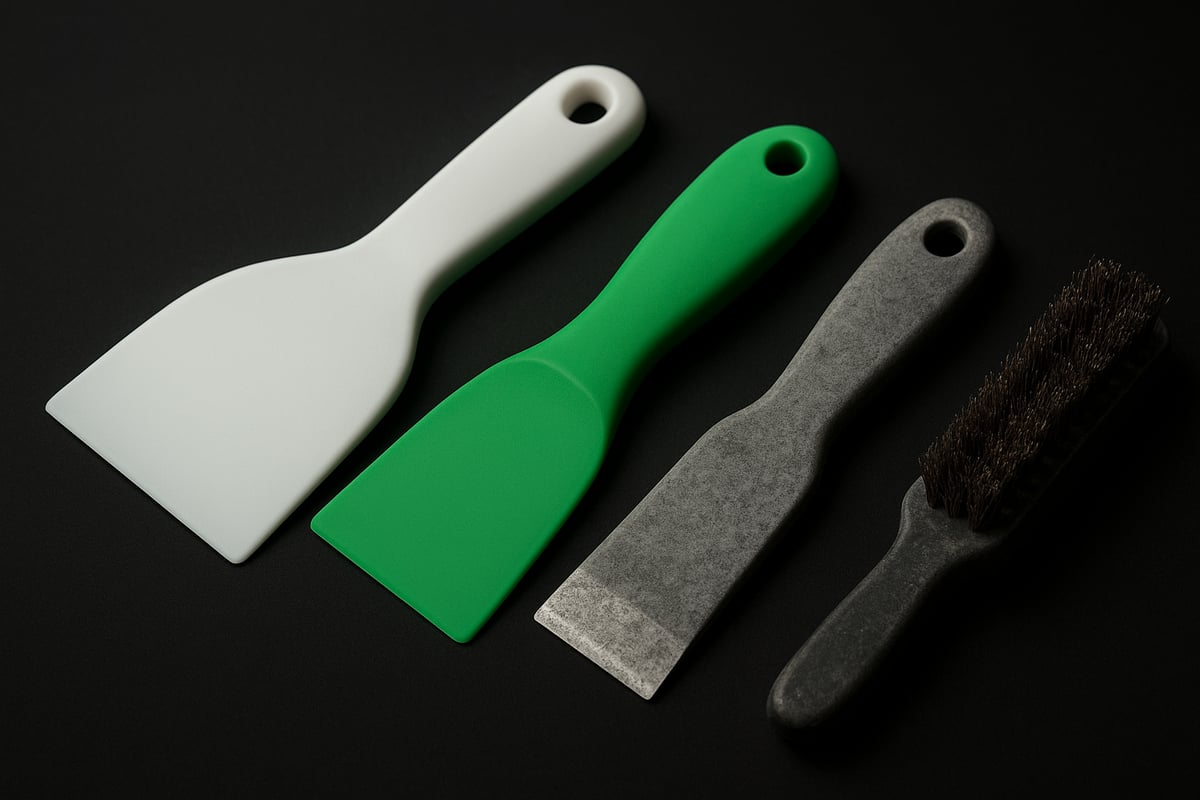
A safer scraper is a modern cleaning tool designed to protect both you and your surfaces. Unlike traditional metal scrapers or abrasive brushes, a safer scraper uses materials like plastic or silicone, reducing the risk of scratches and contamination. These scrapers are purpose-built, often featuring ergonomic handles and blades tailored for specific surfaces, making them a smarter choice for delicate tasks.
Let's talk about the dangers of outdated tools. Metal bristle brushes, for example, can cause serious harm. Over 1,700 emergency room visits in the U.S. each year are linked to metal bristles breaking off and causing injury. These bristles can get stuck in food or even be accidentally swallowed. Old scrapers can also harbor bacteria and grime, making every swipe a potential health hazard. For those cleaning grills or kitchens, learning safe grill cleaning techniques is vital to avoid these risks.
Choosing a safer scraper is not just about injury prevention. Disposable scrapers contribute to landfill waste, while reusable options are better for the planet. Surface-specific tools help prevent scratches on glass, ceramic, or coated materials, keeping your home looking new. As we move into 2026, eco-friendly scraper innovations and improved hygiene standards will make the safer scraper the go-to tool for anyone who values both safety and sustainability.
Choosing the Right Scraper for Every Surface
Selecting the perfect safer scraper for your cleaning task can feel like searching for a needle in a haystack. Each surface in your home or workspace demands its own approach and tool, making it crucial to choose wisely. The right scraper can mean the difference between a spotless finish and accidental scratches.
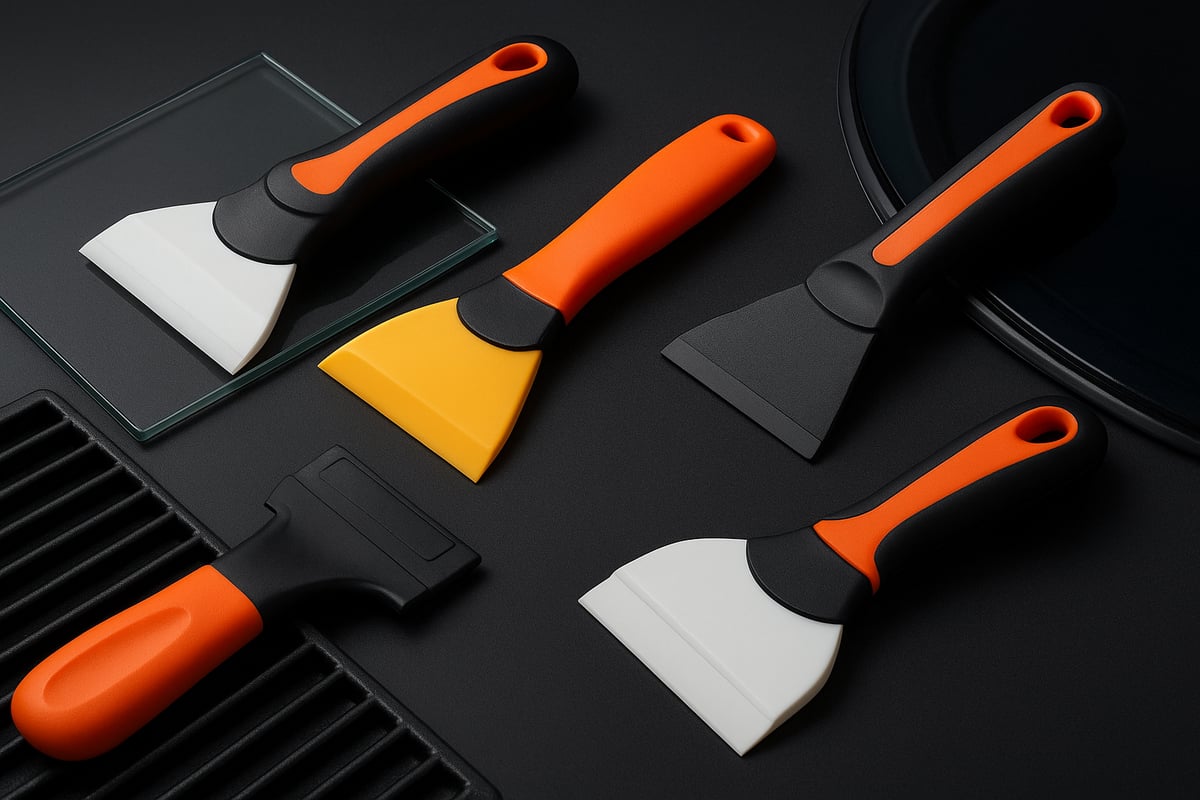
Let’s break down the options. There are plastic scrapers, which are ideal for delicate jobs like glass or ceramic. Composite and silicone scrapers offer flexibility and durability for multiple surfaces, while specialty scrapers are tailored for tasks like removing decals or cleaning grills. If you’re wondering how these stack up, here’s a simple comparison:
| Scraper Type | Blade Material | Best For | Notes |
|---|---|---|---|
| Plastic | Plastic | Glass, Ceramic, Non-stick | Gentle, won’t mar surfaces |
| Composite | Hybrid/Plastic | Metal, Painted | Versatile, safe for coatings |
| Silicone | Silicone | Stovetops, Windows | Flexible, easy to clean |
| Specialty | Metal/Plastic | Grills, Automotive | Task-specific, extra features |
Refillable blade systems, such as the Permatex 80190 SaferScraper, offer cost savings and reduce waste, while disposable blades are convenient for single-use jobs. For heavy-duty messes, stainless steel blades work best, but should never be used on coated or soft surfaces.
Matching your safer scraper to the job is key. For instance, a plastic blade is perfect for stovetops, while a specialty scraper designed for grills ensures safety and effectiveness. If you’re unsure how to select the ideal tool for your grill, check out this helpful guide on choosing the right grill scraper.
Don’t overlook comfort. Ergonomic handles prevent hand fatigue and improve control, especially during longer cleaning sessions. User reviews consistently praise models like the FOSHIO Plastic Razor Blade Scraper, which boasts a 4.6/5 satisfaction rating for ease of use and safety.
With a bit of care and the right safer scraper, you can keep every surface in your home or workspace pristine and protected.
Step-by-Step Guide: Safe Surface Cleaning with Scrapers
Cleaning with a safer scraper is more than just a swipe and a toss. It’s a process that, when done right, keeps your surfaces spotless and your family safe. Let’s break down the journey—from first glance to final shine—so you can clean smarter, not harder.
Preparation: Setting Up for Safety
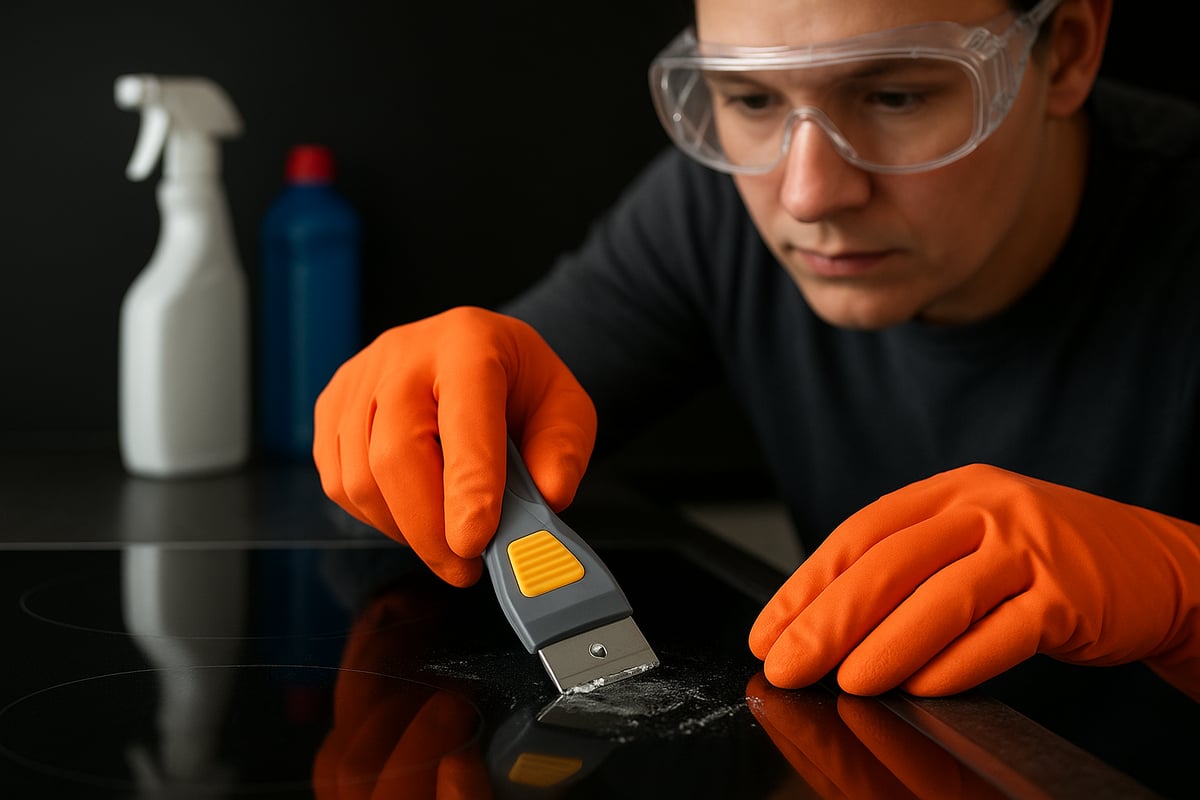
Before you reach for your safer scraper, gather personal protective equipment like gloves and goggles. Inspect the surface for stuck-on debris, sticky residue, or delicate coatings. This step is crucial—choosing the right scraper depends on what you find.
Pick a safer scraper that matches the surface material. For example, use plastic blades for glass or coated surfaces. Make sure your scraper is clean, free from cracks, and ready for action. Prepare your workspace to avoid cross-contamination. For a deeper dive into why surface assessment matters, check out this Assessment of Surfaces in Cleaning Practices.
Scraping Technique: Best Practices
Hold the scraper at a low 30 to 45 degree angle to the surface. This reduces the risk of scratches and helps lift debris gently. Apply steady, gentle pressure—never force the blade, especially on fragile surfaces.
Use short, controlled strokes to loosen stubborn spots. After each pass, wipe away loosened debris with a clean cloth. This lets you see your progress and prevents grit from scratching the surface. Remember, a metal blade should never touch coated or delicate materials.
Post-Cleaning: Finishing Touches
Once you finish using your safer scraper, clean the surface with an appropriate cleaner to remove any leftover residue. Inspect for missed spots and check for scratches. Sanitize your scraper and store it in a dry, safe location.
Dispose of single-use blades in a puncture-proof container. Document your cleaning process if you keep regular routines. A well-maintained safer scraper means your next cleaning session will be just as safe and effective.
Material-Specific Surface Cleaning Tips
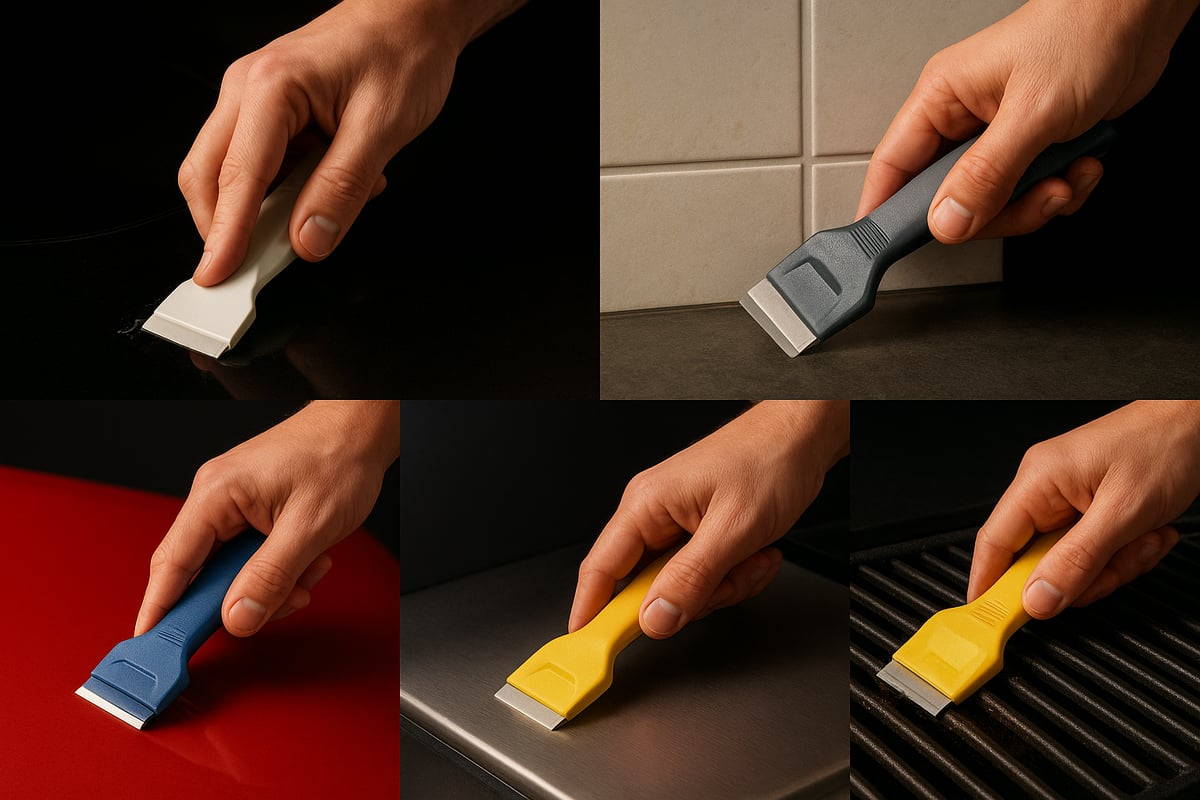
Every surface tells a different story, and using the right cleaning method can mean the difference between a sparkling finish and lasting damage. A safer scraper ensures you match your approach to each unique material, keeping surfaces pristine while avoiding costly mistakes.
Glass:
Use a plastic or composite blade to prevent scratching. For tinted or coated glass, avoid ammonia-based cleaners and always test in a small area first.
Ceramic:
Choose a non-metal scraper to avoid chipping or damaging the glaze. Work slowly, as ceramic surfaces can be fragile, especially on cooktops and tiles.
Stainless Steel:
Scrape gently along the grain with a soft blade. Never use abrasive pads, since these can cause unsightly scratches and dull the finish.
Painted/Coated Surfaces:
Opt for ultra-soft or silicone scrapers. Always test a hidden spot before cleaning the main area, as paints and coatings vary in durability.
Grills:
Select a bristle-free, non-metal scraper to avoid metal contamination and stray bristles. For a detailed walkthrough, see How to scrape your grill safely.
Automotive:
Specialty tools are best for removing old gaskets, decals, or adhesives. Consult product instructions, like those provided for the Permatex safer scraper, to avoid paint damage.
By choosing your method with care, you protect every surface and enjoy safer, more effective cleaning results.
Maintaining and Replacing Your Scraper Tools
Have you ever reached for your old safer scraper, only to find it caked with grime or dull as a butter knife? Neglecting scraper maintenance can lead to scratches, contamination, and wasted effort. Keeping your safer scraper in top shape is essential for safe, effective surface cleaning.
Before every use, inspect your scraper closely. Look for cracks in the handle, worn edges, or embedded debris. Even a small flaw can turn a cleaning job into a surface hazard.
After each cleaning session, wash your safer scraper thoroughly. Use warm water and mild soap to remove residues and bacteria, then dry it completely. This routine not only keeps your tool hygienic but also extends its lifespan.
Proper storage makes a difference. Store your scrapers in a dry, safe spot, away from harsh chemicals or damp environments. Many users find that a designated container or tool rack keeps their safer scraper accessible and protected.
Be vigilant about replacing blades or the entire scraper when you notice dullness, chipping, or any sign of damage. Refillable blade systems are a smart choice, saving money and reducing waste. In fact, well-maintained scrapers can last twice as long, delivering reliable performance with fewer replacements.
When it’s time to retire a scraper, consider eco-friendly disposal or recycling options. For more detailed care strategies and best practices, check out these maintenance tips for scrapers.
Regular maintenance transforms your safer scraper from a simple tool into a long-lasting cleaning ally. A little care today ensures spotless results and safer surfaces tomorrow.
Innovations and Trends in Safe Surface Cleaning for 2026
Imagine walking into a spotless kitchen in 2026, where every tool is designed for safety and sustainability. The world of safer scraper technology is transforming, making cleaning not just easier, but smarter and greener.
Eco-Friendly Materials and Innovations
Eco-conscious consumers now demand scrapers made from recycled plastics and biodegradable composites. Manufacturers are responding by designing safer scraper options that minimize environmental impact and reduce landfill waste. Antimicrobial coatings are also becoming standard, helping keep tools hygienic between uses.
Innovative companies are even exploring refillable blade systems, cutting down on disposable plastic. This shift not only benefits the planet, it also helps households and businesses save money over time.
Smart Features and Safety Advances
Technology is reshaping the safer scraper landscape. Some new models feature built-in sensors that alert users to excessive pressure or improper angles, reducing the risk of scratches. Others offer ergonomic grips and multi-functional heads for tackling different surfaces safely.
Guidelines like those in the Cleaning Supplies and Equipment Guidelines emphasize the importance of selecting cleaning tools that maximize both safety and efficacy. As more smart features emerge, users can expect cleaning to become more intuitive and less hazardous.
Trends Shaping the Future of Safer Scraper Tools
The industry is moving away from metal bristles and abrasive materials, responding to both safety concerns and regulatory changes. Consumer safety campaigns highlight the dangers of outdated tools, pushing for safer scraper designs as the new standard.
Looking ahead, expect to see more ergonomic, multi-functional tools that blend style with substance. The future of cleaning is bright, with safer scraper innovations leading the way to cleaner, healthier environments.
After learning how outdated scraping tools can leave you with more worries than clean surfaces, it’s clear we all deserve safer, smarter options for 2026 and beyond. I remember the first time I ditched my old metal brush for something eco-friendly—I felt relieved knowing I was protecting my grill, my health, and the planet. If you’re ready to make surface cleaning safer and greener, why not try a solution that’s designed with care and responsibility right here in Canada? You can join the movement for cleaner, safer grilling—Get Scrappy.