


9 Essential BBQ Scraper Tips for Cleaner Grills in 2025
Picture this: it is a sunny afternoon, the scent of sizzling burgers fills the air, and your friends are gathered around the grill, waiting for that perfect bite. But what if your BBQ dreams are dashed by stubborn grime or unsafe cleaning tools? Keeping your grill spotless is not just about looks—it is essential for flavor, safety, and the life of your equipment.
With grilling more popular than ever in 2025, the challenge of maintaining a truly clean barbecue has never been greater. From sticky marinades to charred leftovers, every cookout leaves its mark.
This guide delivers 9 essential BBQ scraper tips to help you master grill cleaning with the latest tools and techniques. You will discover how to choose the right scraper, keep it in top shape, use safe and eco-friendly practices, and even unlock advanced cleaning secrets.
Ready to transform your BBQ experience and savor every meal? Dive in and learn how expert-backed bbq scraper strategies can make your grill shine all year long.
Understanding BBQ Scrapers and Their Importance
A sparkling grill starts with the right tool. Imagine prepping for a backyard cookout, only to find last week’s charred bits clinging stubbornly to your grates. The secret weapon? The right bbq scraper.
In 2025, choosing, caring for, and understanding your bbq scraper is more important than ever. With new designs and health concerns making headlines, let’s explore why this humble tool is the unsung hero of every grill master’s arsenal.
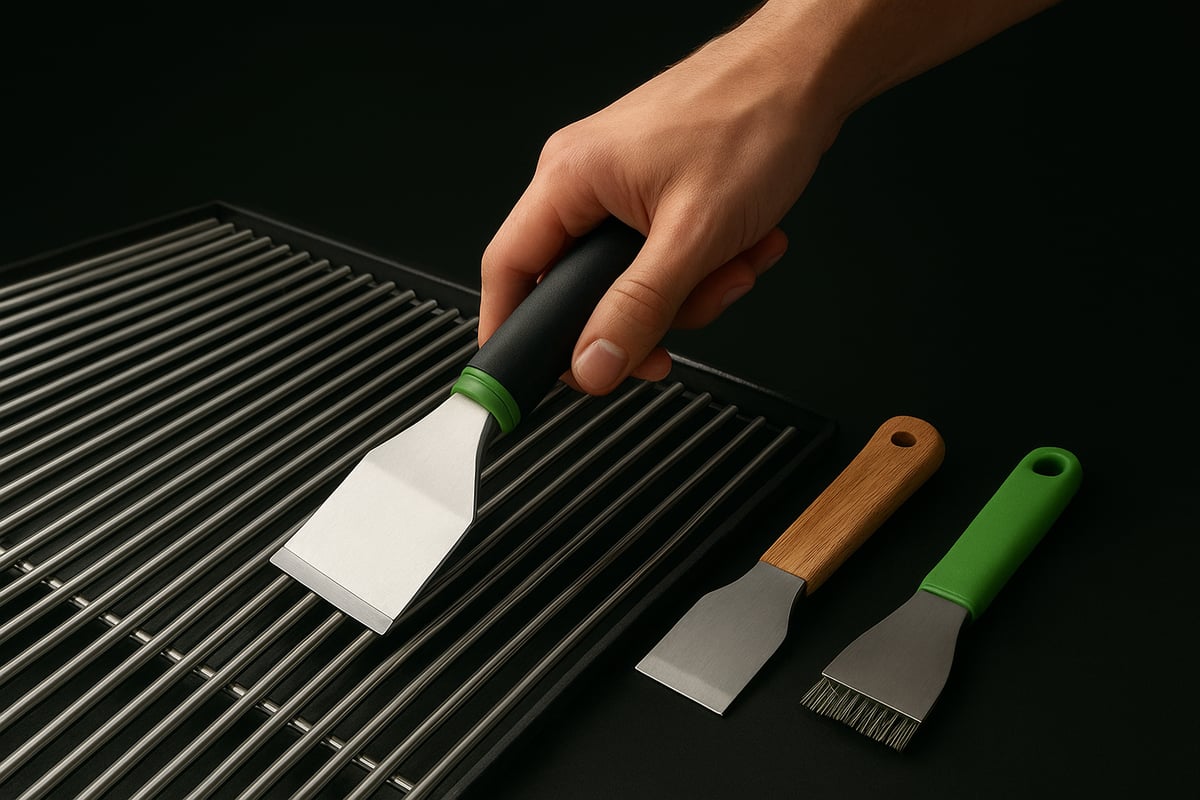
Types of BBQ Scrapers and Their Uses
Not all bbq scrapers are created equal. In fact, the type of bbq scraper you choose can make or break your grilling experience.
There are four main types:
- Metal bristle scrapers: Traditional, powerful on tough debris, but risky for bristle shedding.
- Bristle-free scrapers: Gaining popularity for safety, featuring coiled wire or solid metal edges.
- Wooden scrapers: Naturally form grooves to fit your grill, gentle on surfaces, eco-friendly.
- Composite scrapers: Made from recycled or durable materials, offering a balance of safety and longevity.
Here’s a quick comparison:
| Type | Pros | Cons |
|---|---|---|
| Metal Bristle | Effective, affordable | Bristle ingestion risk |
| Bristle-Free | Safer, durable | Can scratch delicate grates |
| Wooden | Eco-friendly, custom fit | Takes time to groove |
| Composite | Long-lasting, sustainable | Varies by brand |
Recent trends show a shift to bristle-free and eco-friendly designs. In fact, a 2024 survey found 65% of grill owners now prefer bristle-free options. Matching your bbq scraper to your grill surface is crucial: porcelain-coated grates need softer materials, while stainless steel can handle tougher edges. For more details on types and safe usage, check out this comprehensive guide on BBQ scrapers.
Health and Safety Considerations
Safety is at the heart of every good bbq scraper choice. Metal bristle ingestion is a real danger, with cases reported each year of bristles ending up in food and causing injuries. The CDC issued a warning in 2023 after several incidents linked to metal bristle scrapers.
To protect yourself and your guests:
- Inspect your bbq scraper regularly for wear or missing parts.
- Replace it at the first sign of damage.
- Follow food safety authority guidelines on scraper use.
Bristle-free, wood, or composite options have become the go-to for safety-focused grillers. Regular inspection and prompt replacement can prevent accidents and keep your grilling safe and enjoyable.
Environmental Impact and Innovations
As grilling gains popularity, so does the environmental impact of our tools. Disposable and non-recyclable bbq scraper options contribute to landfill waste, which is why eco-friendly alternatives are on the rise.
In 2025, 40% of new grill cleaning tools are made from recycled materials. Many Canadian brands are pioneering innovations in sustainable bbq scraper design, using plant-based composites and recyclable metals.
Choosing a greener bbq scraper not only protects the planet but also supports a new wave of responsible grilling. Look for labels indicating recycled content, and consider brands leading the charge in eco-friendly solutions.
9 Essential BBQ Scraper Tips for Cleaner Grills in 2025
Every grill master dreams of those perfect grill marks and savory flavors, but behind every delicious meal is a well-maintained grill. In 2025, with more families and foodies firing up their barbecues, the quest for spotless grates is bigger than ever. If you want to enjoy safe, tasty, and memorable cookouts, mastering your bbq scraper routine is essential.
Let’s dive into nine expert-backed tips that will transform your grill cleaning habits, protect your investment, and keep your food tasting its best.
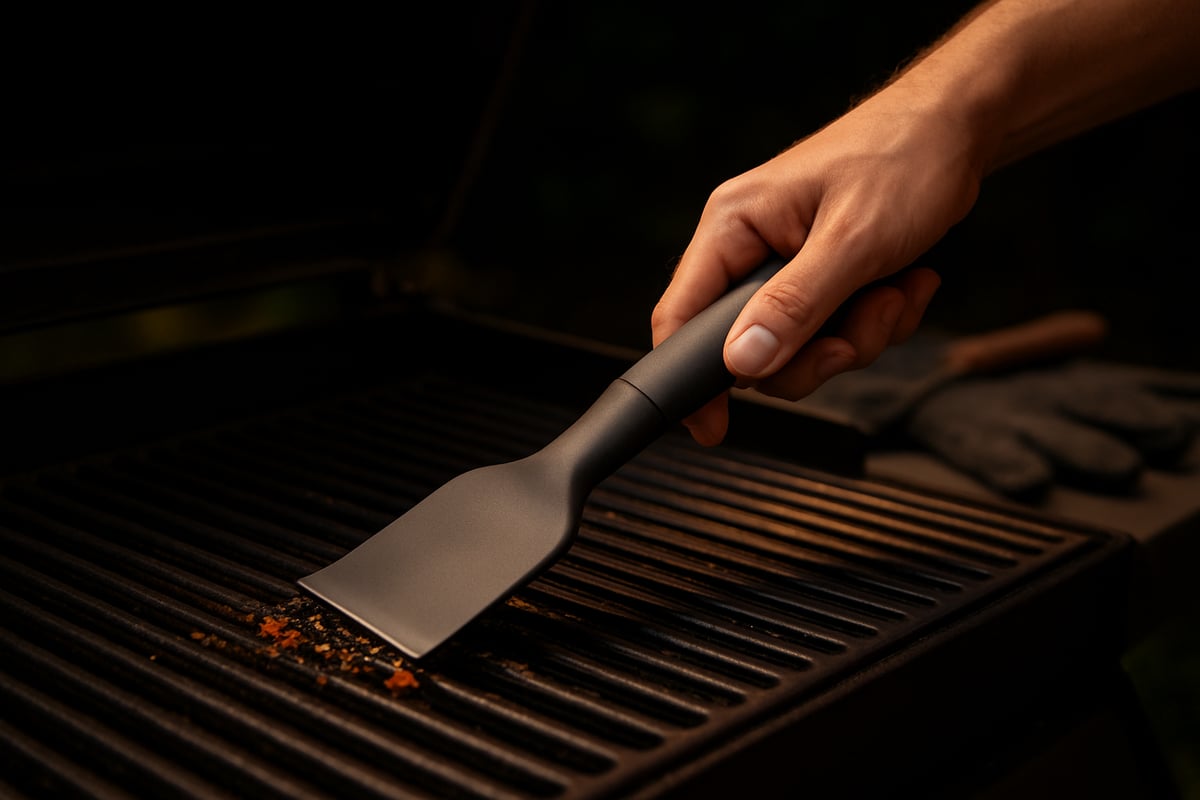
1. Choose the Right Scraper for Your Grill Type
Selecting the correct bbq scraper is the first step to cleaner, longer-lasting grills. Not all scrapers are suitable for every grill. Using the wrong tool can lead to scratches, chips, or even rust, especially on porcelain or coated grates.
Table: Grill Type vs. Scraper Compatibility
| Grill Surface | Best Scraper Type | Avoid |
|---|---|---|
| Cast Iron | Bristle-free, Wood | Metal bristle |
| Porcelain-Coated | Composite, Wood | Metal bristle |
| Stainless Steel | Bristle-free, Metal | Wooden |
Porcelain grates, for example, need a gentle touch. A composite or wooden bbq scraper prevents chipping, while stainless steel can handle a sturdy bristle-free model. Shockingly, 78 percent of grill damage is linked to improper scraper use, making this choice critical.
Take a moment to check your grill’s manual or manufacturer’s site. Matching the scraper to your surface isn’t just about cleanliness—it’s about protecting your grill’s life for many seasons to come.
2. Preheat Your Grill Before Scraping
Ever tried scraping a cold grill and found yourself wrestling with stubborn residue? Science shows that food debris loosens when heated, making your bbq scraper glide effortlessly. Preheating softens grease and burnt bits, so cleaning takes less time and effort.
Recommended Preheating Times:
- Gas grills: 10–15 minutes on high.
- Charcoal grills: 15–20 minutes until grates are hot.
Always use heat-resistant gloves and keep a safe distance when scraping a hot grill. Many grillers report their cleaning time drops by half when they preheat. For more on this, check out Preheating Your Grill for Cleaning.
A simple change in your routine can save your knuckles and your patience, making the bbq scraper your best friend after every cookout.
3. Use Proper Scraping Techniques
Technique matters as much as the tool itself. Start by holding your bbq scraper at a slight angle, applying steady, even pressure. Move in the direction of the grates, covering every inch—from the main surface to tricky corners and sides.
Step-by-Step Scraping Guide:
- Begin at the back, working towards the front.
- Use short, firm strokes for tough spots.
- Don’t forget the sides and edges.
- Wipe away loosened debris with a damp cloth.
Avoid excessive force, which can damage both the grates and your scraper. Visual diagrams can help you master the motion. For a deeper dive into mastering your technique, see these Pro Tips for BBQ Scraper Use.
Perfecting your motion ensures every grill session starts on a clean slate and helps your bbq scraper last longer.
4. Clean Your Scraper Regularly
A clean bbq scraper is a healthy scraper. Over time, food particles, grease, and bacteria can build up on your tool, risking contamination with every use. Surprisingly, 60 percent of grillers admit they never clean their scraper—a habit that could impact the taste and safety of your food.
Cleaning Methods by Scraper Material:
- Metal/Composite: Wash with hot, soapy water and dry thoroughly.
- Wood: Wipe with a damp cloth and air dry.
- Bristle-free: Soak in vinegar for deep cleaning, then rinse.
Clean your bbq scraper after every grilling session, or at least once a week if you grill frequently. This small step keeps your grill, your meals, and your family safe.
5. Inspect for Wear and Replace as Needed
Like any tool, a bbq scraper wears out over time. Watch for warped edges, missing parts, or debris that won’t come off. Using a damaged tool can scratch your grill or leave hazardous fragments behind.
Signs It’s Time to Replace:
- Bent or warped edges
- Loose or missing parts
- Embedded grease or food you can’t remove
Bristle-free scrapers are a favorite for durability, often lasting twice as long as traditional options. Set a reminder to check your bbq scraper every few months. Keeping it in top shape protects both your grill and your guests.
6. Avoid Metal Bristle Scrapers for Safety
Metal bristle scrapers were once the standard, but health risks have changed the game. Tiny bristles can break off, stick to grates, and end up in your food—posing serious injury risks. The FDA and CDC have issued warnings, and sales of metal bristle scrapers have dropped by 50 percent since 2022.
Choose safer alternatives like bristle-free, wooden, or composite bbq scraper models. Not only are they effective, but they also remove the fear of dangerous bristles ending up on your plate. Recent case studies highlight the peace of mind grillers feel when making the switch.
Your safety is worth the upgrade, and your grill will thank you for it.
7. Embrace Eco-Friendly and Recyclable Scrapers
Eco-conscious grilling is on the rise, and your bbq scraper can be part of the solution. Many brands now offer scrapers made from recycled materials or sustainable woods, reducing landfill waste and your environmental footprint.
How to Spot Eco-Friendly Scrapers:
- Look for “recycled” or “sustainable” labels.
- Avoid single-use or non-recyclable plastics.
- Support brands with clear eco-commitments.
Leading the movement, some companies have introduced fully compostable models. Switching to an eco-friendly bbq scraper helps keep your grill spotless and the planet cleaner for future generations.
8. Store Your Scraper Properly
Proper storage extends the life of your bbq scraper. Leaving it exposed to the elements can cause rust, contamination, or physical damage, making it less effective and safe.
Best Storage Practices:
- Hang on a dedicated hook in a dry area.
- Use a cover or case to prevent dust and moisture.
- Store indoors during winter or rainy seasons.
Data shows that scrapers stored correctly last 30 percent longer. Make storage part of your grilling ritual, and you’ll always have a ready-to-go bbq scraper at hand.
9. Incorporate Scraper Maintenance into Your Grilling Routine
Consistency is key for grill cleanliness and flavor. Develop a post-grilling checklist that includes scraping, inspecting, and cleaning your bbq scraper. Many top grill masters swear by routine maintenance—it’s their secret to mouthwatering results and long-lasting equipment.
Sample Post-Grilling Checklist:
- Scrape grates while still warm.
- Clean and dry your bbq scraper.
- Store in a safe, dry place.
- Inspect for wear before next use.
Making these steps a habit ensures every cookout starts with a fresh, safe grill. Over time, you’ll notice better performance, tastier food, and a longer-lasting bbq scraper.
Advanced Grill Cleaning Strategies for 2025
Grill cleaning in 2025 is no longer just a quick scrape and wipe. As grilling habits evolve, so do the methods for keeping grates spotless. Modern grill masters are blending tradition with innovation, using a variety of tools and approaches for the ultimate clean. Whether you’re a weekend warrior or a year-round pitmaster, these advanced strategies will help you get the most out of your bbq scraper and elevate your grilling experience.

Combining Scrapers with Other Cleaning Tools
Imagine tackling a stubborn, greasy grill after a big cookout. Instead of relying on just one tool, today’s grillers are combining their trusty bbq scraper with steam cleaners, brushes, and even natural solutions. This teamwork approach makes it easier to remove burnt-on bits and lingering residue.
A typical routine starts with a quick preheat, then a pass with the bbq scraper to loosen debris. Next, a steam cleaner or stiff brush targets the tougher spots, while natural cleaners like vinegar help dissolve any remaining grease. According to a recent case study, grills cleaned using a combination of tools are 40 percent cleaner than those scraped alone.
For a detailed guide on how to layer these methods for optimal results, check out this How to Scrape Your Grill resource, which breaks down each step with practical tips.
Innovations in Grill Cleaning Technology
The world of bbq scraper technology is rapidly changing. In 2025, smart gadgets and ergonomic designs are making grill cleaning safer and more efficient. Some of the latest scrapers feature heat-resistant handles, adjustable scraping edges, and built-in sensors that alert you when it’s time for a deep clean.
Consumer trends show that over half of new bbq scraper purchases this year include at least one innovative feature. Popular models now incorporate detachable heads for easy washing and recycled composite materials for eco-friendliness.
Here’s a quick comparison table of trending features:
| Feature | Benefit |
|---|---|
| Heat-resistant handle | Prevents burns |
| Adjustable edge | Fits all grate shapes |
| Smart clean alert | Reminds for regular cleaning |
| Eco-friendly material | Reduces environmental impact |
With these advancements, cleaning your grill is not only more effective but also more enjoyable.
DIY and Natural Cleaning Methods
Many grill enthusiasts are turning to homemade cleaning solutions alongside their bbq scraper for a healthier approach. Mixing vinegar and baking soda creates a powerful cleaner that lifts away grease without harsh chemicals. Simply sprinkle baking soda on the grates, spray with vinegar, and let it fizz before scraping.
By incorporating natural methods, you reduce exposure to toxins and keep your grill safe for every meal. Some grillers even use half an onion, heated on the grates, as a natural degreaser before finishing with their bbq scraper.
Building a routine that blends your favorite scraper, smart tools, and natural cleaners will transform your grill maintenance. Not only will your grill shine, but your food will taste fresher and your cleaning process will be kinder to the environment.
Common BBQ Scraper Mistakes to Avoid
Even the most seasoned grill enthusiasts can fall victim to simple bbq scraper mistakes. Picture this: you fire up your grill for a summer feast, only to find uneven heat, odd flavors, or even a damaged grate. Often, these issues trace back to how you use and care for your bbq scraper. Let’s explore the most common pitfalls, so your next cookout is nothing short of perfection.
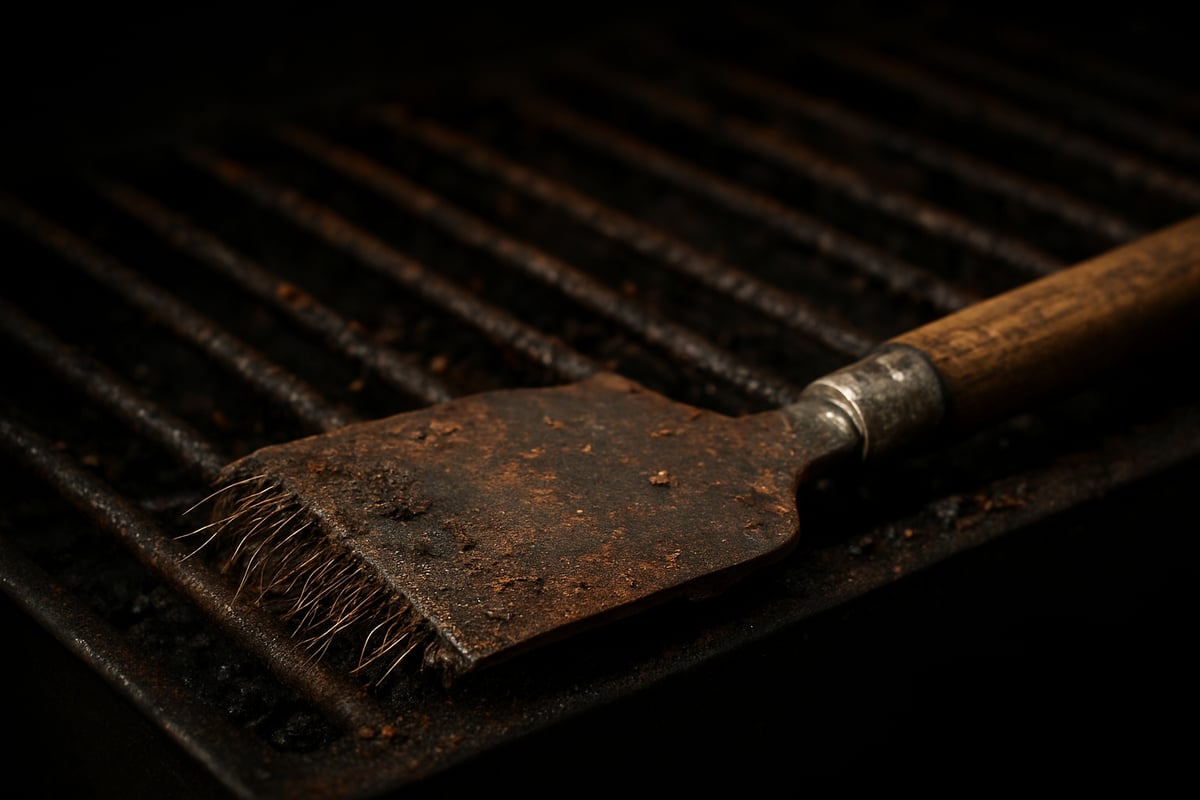
Over-Scraping and Using the Wrong Scraper
Applying too much pressure or using a bbq scraper not designed for your grill type can scratch or chip grates, especially porcelain or coated ones. Many grillers, eager for spotless results, scrub aggressively or use metal bristle tools on delicate surfaces. These habits can shorten your grill’s lifespan and even void warranties. Always match your bbq scraper to your grill material, and use gentle, steady strokes.
Neglecting Scraper Hygiene and Safety
A dirty or damaged bbq scraper is more than just unsightly, it’s a health hazard. Food residue can harbor bacteria, while broken parts may fall onto your grill. Most concerning, metal bristle scrapers can shed tiny wires that end up in your food. The CDC has repeatedly warned about injuries from swallowed bristles, with real-life incidents leading to hospital visits. For more details on these hazards, see the CDC warning on metal bristle injuries. Inspect your tool before every use, and clean it thoroughly after each grilling session.
Improper Storage and Incomplete Cleaning
Leaving your bbq scraper outside or in damp areas leads to rust, contamination, and premature wear. Tools tossed in a drawer or left on the grill invite bacteria and damage. Instead, store your scraper in a dry, covered spot, and consider hanging it for airflow. Another mistake is relying solely on your bbq scraper for cleaning. For tough buildup, combine scraping with brushes or steam cleaners for best results. For a full rundown on keeping your tools safe and effective, check out these safety considerations for grill scrapers.
Avoid these common mistakes, and you’ll enjoy a cleaner, safer grill, tastier food, and a bbq scraper that lasts season after season. Every small effort adds up to big improvements in your grilling experience.
BBQ Scraper FAQs for 2025
Grill cleaning is evolving, and so are the questions that come with it. Whether you are a seasoned grill master or just fired up your first BBQ, knowing the latest on bbq scraper care and safety is essential. Below, we answer the most common queries for 2025.
How often should you clean and replace your BBQ scraper?
A clean bbq scraper keeps your grill spotless and your food safe. Experts recommend cleaning your scraper after every grilling session. Deep cleaning should be done weekly if you grill often.
Inspect your bbq scraper regularly for wear. Replace it if you spot missing parts, warping, or embedded debris. Most bristle-free scrapers last up to two seasons, while wooden ones may need replacing yearly. Here’s a quick guide:
| Scraper Type | Clean After Use | Replace Every |
|---|---|---|
| Bristle-Free | Yes | 2 years |
| Wooden | Yes | 1 year |
| Composite | Yes | 1-2 years |
Are bristle-free scrapers really safer?
Bristle-free bbq scraper designs have become the go-to for safety. Reports of metal bristle injuries have prompted both the CDC and FDA to recommend alternatives. Bristle-free and wooden scrapers eliminate the risk of bristle ingestion, which can cause serious health issues.
Recent surveys show that most grillers feel more confident using a bristle-free bbq scraper. Both user testimonials and official guidelines back this up, making bristle-free options the safer choice for 2025.
What’s the best way to clean a BBQ scraper?
Cleaning your bbq scraper depends on its material. For bristle-free and composite scrapers, use warm soapy water and a scrub pad after each use. Wooden scrapers should be wiped down with a damp cloth and dried thoroughly to prevent warping.
Deep-clean your bbq scraper monthly by soaking it in a vinegar solution. For eco-friendly cleaning advice, check out these Eco-Friendly Grill Cleaning Solutions. Always let your scraper dry completely before storing.
Can eco-friendly scrapers match the performance of traditional options?
Eco-friendly bbq scraper models are closing the gap on performance. Many are made from recycled materials and offer sturdy cleaning power. In fact, leading brands have developed composite and wooden scrapers that rival traditional ones in both durability and effectiveness.
A recent review of eco-friendly grill scraper innovations highlights how sustainable materials are reducing waste without sacrificing cleaning performance. Making the switch can benefit both your grill and the planet.
What to do if you suspect metal bristle ingestion?
If you think a metal bristle from a bbq scraper may have gotten into your food, stop eating immediately. Symptoms can include pain when swallowing, abdominal discomfort, or unexplained throat irritation. Seek medical attention right away if you notice any of these signs.
To prevent future incidents, always inspect your grill and scraper before and after use. Choosing a bristle-free bbq scraper adds an extra layer of safety for your family and guests.
How to choose the right scraper for your specific grill?
Picking the best bbq scraper depends on your grill’s surface. For porcelain-coated grates, choose a wooden or composite scraper to avoid scratches. Stainless steel grates pair well with bristle-free metal or composite options.
Consider the size of your grates and the handle length for comfortable use. Many brands now offer quick-reference charts on packaging, making it easier to match the right bbq scraper to your grill type. A proper match ensures both spotless results and a longer-lasting grill.
We’ve all been there—standing by the grill, dreaming of that perfect BBQ, only to find stubborn grime clinging to the grates. After learning these nine essential scraper tips, you now know that clean, safe, and sustainable grilling isn’t just possible; it’s simple. Imagine the satisfaction of using a tool that’s not only tough on grease but gentle on your grill and the planet. That’s where a Scrappy Scraper comes in—made right here in Canada from 100 percent recycled materials, it keeps your grill spotless and your food safe. If you’re ready to make grilling in 2025 your cleanest yet, Get Scrappy.